 ES
ES
 FR
FR
 RU
RU
 DE
DE
 PT
PT
 AR
AR

Where to buy property in Thailand has no single right answer: every city runs on its own logic of price, yield and lifestyle, and the right choice always depends on the specific goal behind the purchase rather than on a general popularity ranking for the country as a whole. A beachfront condo on Phuket and a condo in Bangkok's business district solve different problems, even at the same price point. Best place to buy property in Thailand questions are best answered after reading the complete guide to buying property in Thailand as a foreigner first: it covers a foreign buyer's rights and the basics of owning a condo, while this guide compares locations and rental yield city by city.
Contents
How to choose where to buy property in Thailand
Choosing a location starts with the purpose of the purchase, not the budget: living there, letting it out and reselling later all point towards different cities. For full-time living, infrastructure, international schools and healthcare matter most; for renting out, tourist numbers and seasonality matter more; for resale, the pace of price growth and liquidity in that specific market segment matter most of all.
Where do foreigners buy property in Thailand most often comes down to a short list of six destinations: Phuket, Bangkok, Pattaya, Koh Samui, Hua Hin and Chiang Mai. Each covers a different scenario, and the best places to invest in Thailand property for one buyer will not necessarily match the best for another — the priorities change the whole ranking. The same goes for the best cities to buy property in Thailand overall: the ranking depends entirely on what the buyer treats as the deciding factor.
In short, the logic usually breaks down like this:
- Maximum rental yield and price growth — Phuket.
- Liquidity and steady resale demand — Bangkok.
- The lowest entry budget among the resorts — Pattaya.
- Villas and the premium beachfront segment — Koh Samui.
- A balance of sea and budget, a quieter lifestyle — Hua Hin.
- The lowest entry budget overall, and long-term rental demand — Chiang Mai.
Air access is a factor that is easy to overlook: Phuket and Bangkok both take direct international flights, while Koh Samui is served by a privately owned airport built and run by a single airline — with no competition on the route, flights there cost noticeably more than the national average, which is worth factoring into any rental-income projection.
Buyer demand also shifts from year to year: in 2025, the fastest-growing group of buyers by nationality was Singapore, up 63.2%, followed by Taiwan at 37.8%, France at 22.5% and the United Kingdom at 21.3%. A shift like this matters for choosing a location, since different nationalities have historically clustered in different cities, and a fast-growing new buyer group can outpace price growth in a specific market before the wider statistics catch up.
Visa plans also shape the choice of city, even though they are not formally tied to the purchase itself: holders of long-term remote-work visas tend to gravitate towards Bangkok and Chiang Mai for the infrastructure and community, while applicants for residency-by-investment visas look more towards Phuket and Bangkok, where it is easier to find a property at the right budget for the visa threshold.
Property in Thailand
 T.H. Group Phuket Co., Ltd
 Harmony Group
 Rhom Bho Property PLC
 Vip Thailand Group
 BOAT PATTANA CO., LTD
 ESM DEVELOPMENT
 Origin Property
 Sunny Holding
Best places to buy property in Thailand for foreigners
Below are the six destinations with the key figures for each: price range, annual growth, and what to expect on rental yield. Figures are given for condominiums, as the most common and most directly comparable format across all six markets — villas and land have a much wider range that depends heavily on the specific plot, its access and its exact position relative to the coast.
Phuket
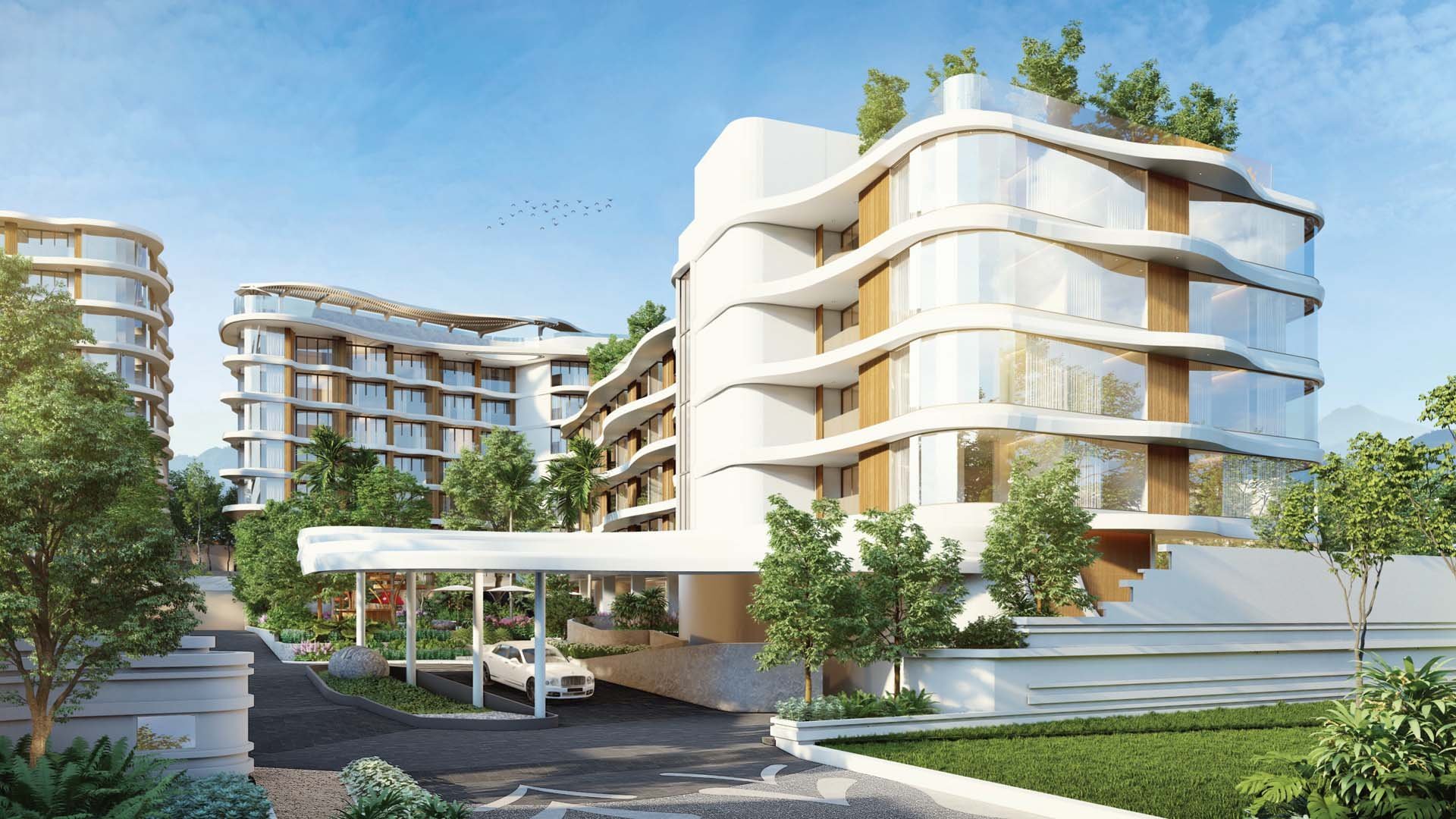
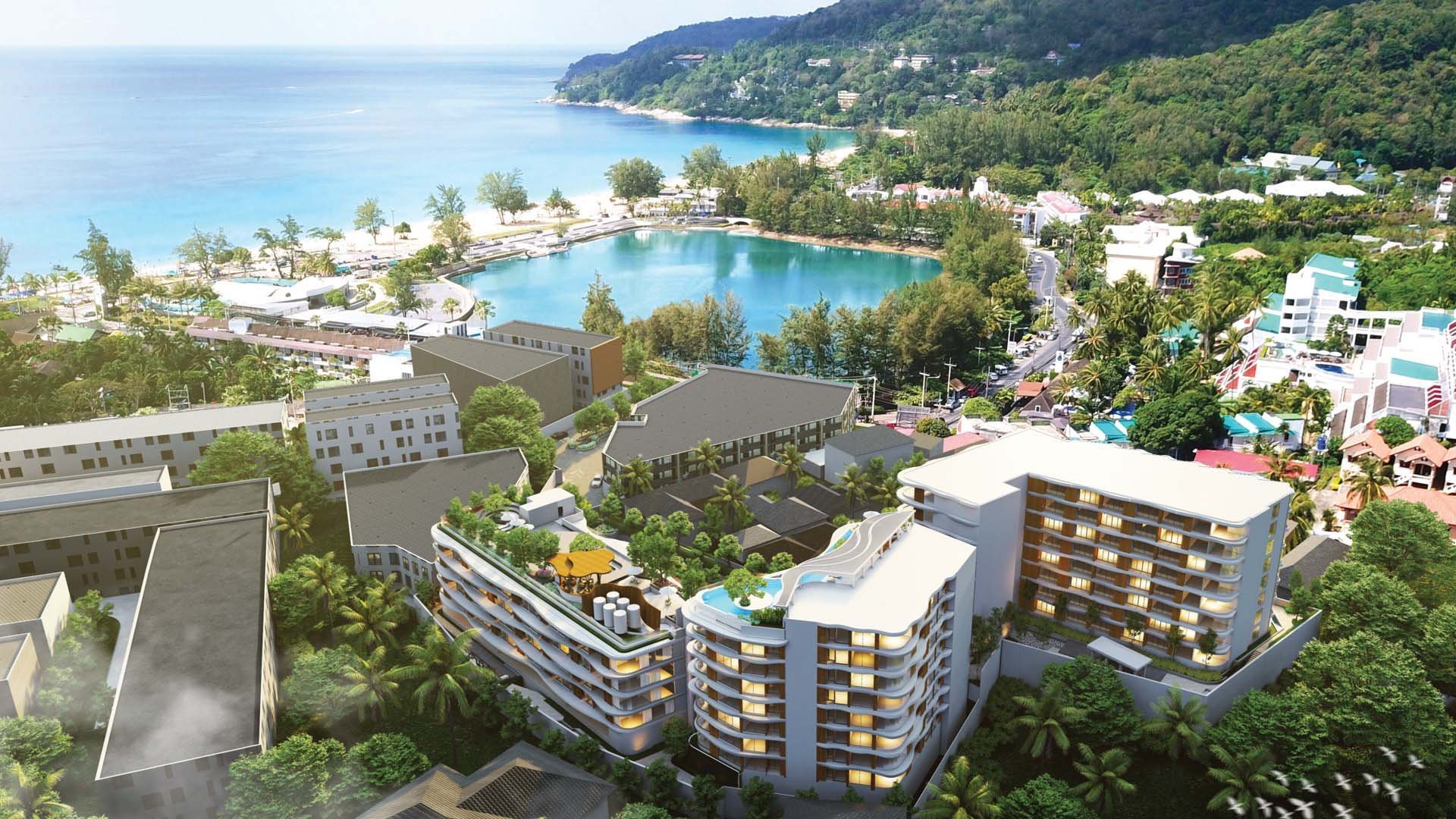
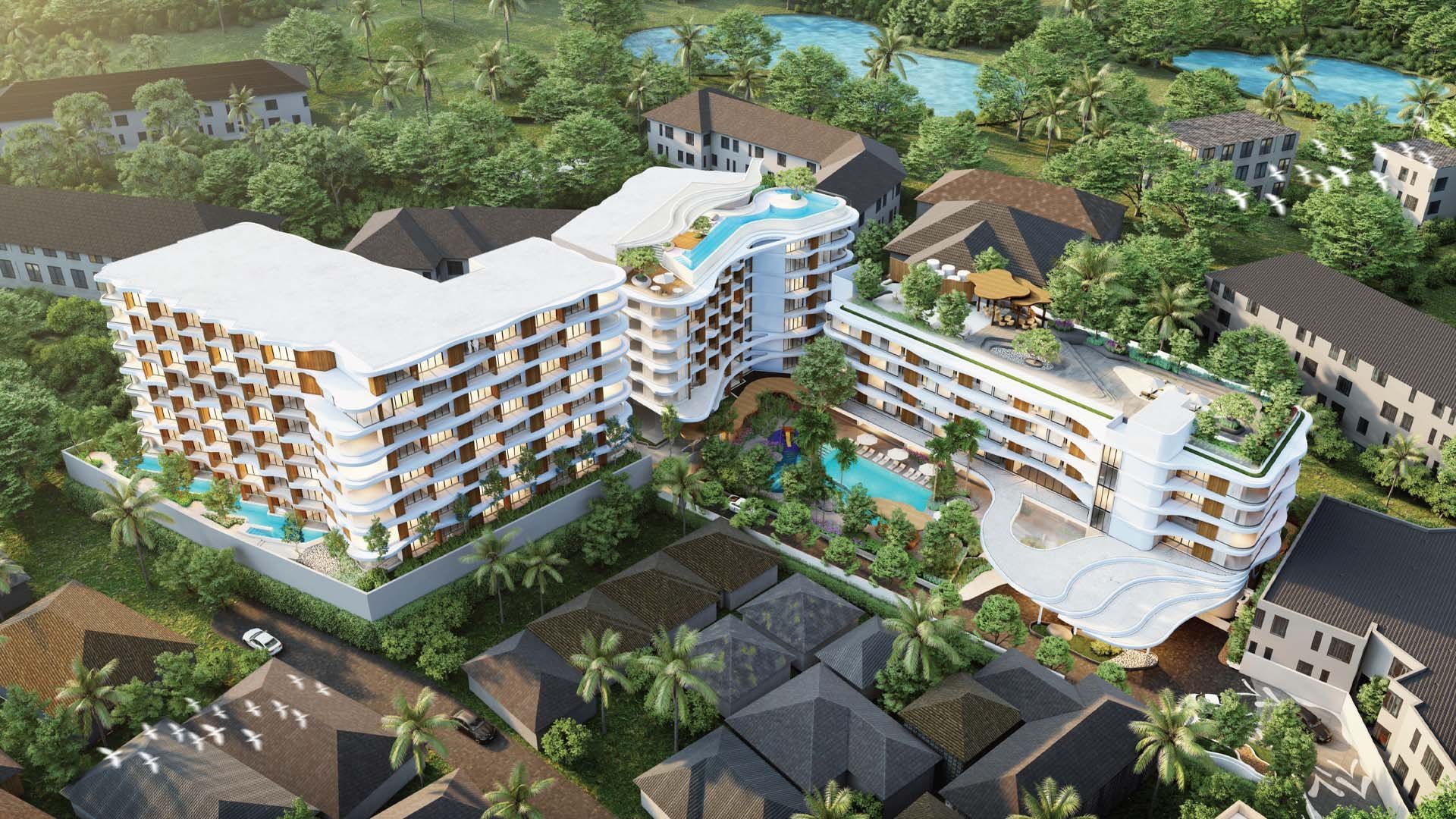
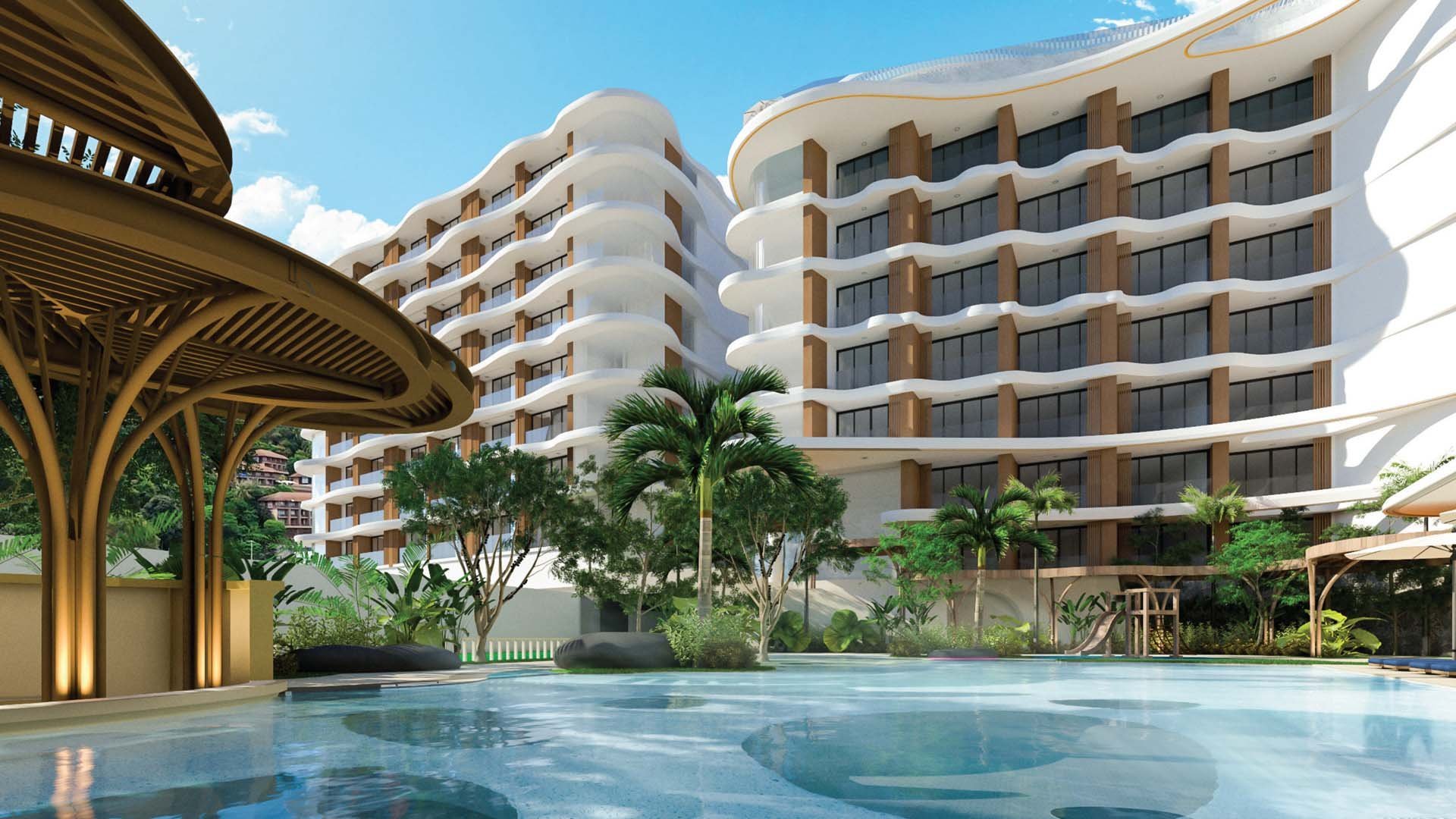
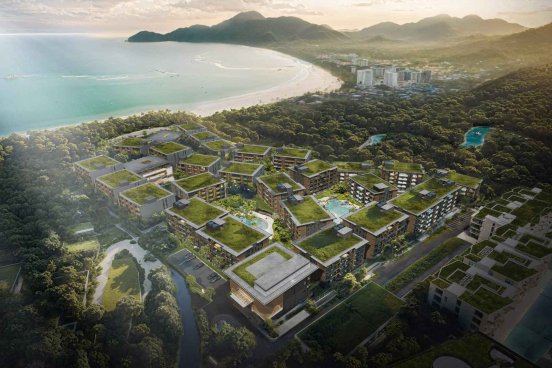
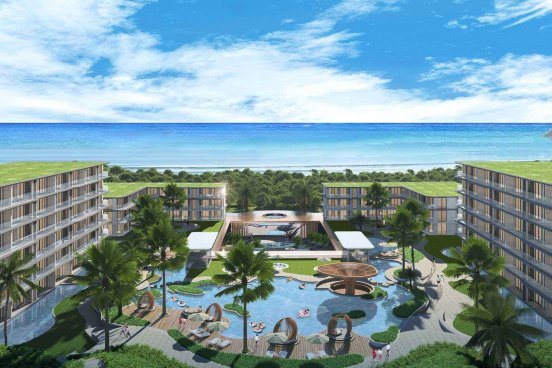
Buying property in Phuket remains the country's most expensive resort market: condominiums average 135,000-144,000 baht per sqm (around $4,100-4,360), with prices growing 3-4% a year. Long-term rental yield runs at 5-7%, and short-term tourist lets in the resort areas can reach 7-11% gross, though the island average sits closer to 5% once vacancy and management fees are taken into account.
Best areas to buy in Phuket centre on the beaches of the west coast, including Bang Tao, where the large resort developments and consistently high visitor numbers are concentrated. The number of transactions with foreign buyers on the island rose by roughly 10% year on year in 2025, and foreigners now account for more than 40% of condominium sales.
The island takes direct international flights from Europe, China, Australia and elsewhere in Asia, which underpins year-round tourist demand and, in turn, demand for short-term rental — unlike destinations with more limited air access, where seasonality is far more pronounced.
By property type, the island splits into two fairly distinct markets: beachfront condominiums on the west coast are geared towards tourist rental and maximum yield, while hillside and inland villas suit full-time living and a quieter, less tourist-driven lifestyle at a comparable budget. Current listings for both can be found in the villas and houses in Thailand section.
Bangkok
Buying property in Bangkok as a foreigner runs on an entirely different, urban logic: condominiums near the mass-transit lines average 120,000-150,000 baht per sqm (around $3,600-4,550), rising to 236,000 baht per sqm (around $7,150) in the most sought-after central districts. Price growth here is more modest than on the resorts, and part of the market ran into oversupply in 2025 — transaction numbers in Bangkok and its suburbs fell by roughly 15% over the first eight months of the year.
The best area to buy condo in Bangkok for renting to expats and local tenants alike is Sukhumvit: it remains the city's best-known business and residential corridor, though yields there have compressed from 5.5-6.5% back in 2018 to 3.8-5.2% in 2026, as prices have risen faster than rents. Foreigners account for around 26% of condominium transactions in the city.
Bangkok is the country's largest property market by transaction volume and by the number of properties for sale, not just its capital — which explains its comparatively strong liquidity even during a period of oversupply, and it shows in the sheer range on offer in the condominiums in Thailand section. For a buyer who values speed of resale over maximum yield, that is the main argument in the city's favour. The oversupply seen in 2025 mainly hit new-build stock from large developers in districts away from the mass-transit lines; the resale market, and buildings right on the BTS and MRT lines, were affected far less. For a specific purchase, the type and location of the building matter more than the market-wide statistics.
Pattaya
Pattaya is noticeably more affordable than Phuket: condominiums run 70,000-110,000 baht per sqm (around $2,100-3,300), rising to 170,000-250,000 baht per sqm on the beachfront in Wongamat. Buying property in Pattaya is generally seen as the budget resort option, with rental yield of 5-8% gross and price growth of 3-5% a year.
The city sits around two hours from Bangkok, which makes it popular both for letting to tourists and as a weekend retreat for Bangkok residents — a double source of demand that more distant resorts such as Koh Samui or Phuket do not have.
Koh Samui
Buying property in Koh Samui is, first and foremost, about villas rather than condominiums, and the island is consistently ranked among the best islands to buy property Thailand has to offer, alongside Phuket: the median villa price on the island is around 60,600 baht per sqm, and a three-bedroom villa of 250-350 sqm typically costs around 14.9 million baht. Condominiums cost more per square metre — a median of around 88,500 baht per sqm, with a one-bedroom unit starting from 3.5 million baht. Sea-view villas near the beach run to 120,000-250,000 baht per sqm, while inland areas such as Nathon come in at 45,000-85,000 baht per sqm.
Prices on Koh Samui rose by around 6% on average over 2025-2026: premium beachfront villas gained 8-12%, mid-range properties 4-7%, and condominiums 3-6%. The airport quirk mentioned above matters here too: the high cost of flights limits some of the mass tourist traffic and makes the island a more premium destination than Phuket or Pattaya, which shows up in the structure of rental demand as well.
Hua Hin
Buying property in Hua Hin is a compromise between the sea and the budget: condominiums average 86,700-100,000 baht per sqm, rising to 87,000-150,000 baht per sqm in the best locations, with beachfront units in Khao Takiab reaching 180,000-254,000 baht per sqm at the top end. Villas are cheaper, averaging around 35,000-40,000 baht per sqm of built area.
Hua Hin is roughly 30% more affordable than comparable beachfront locations on Phuket, and rental yield here runs above the national average — 5-7% against 4-6% for Thailand as a whole. Price growth over the past year has been around 5%.
The town sits three to four hours from Bangkok and has long been popular with retirees from the UK, Germany and Scandinavia, as well as a weekend base for Bangkok Thais — a mix of steady expat and local demand that smooths out seasonality more than in more remote resorts.
Chiang Mai
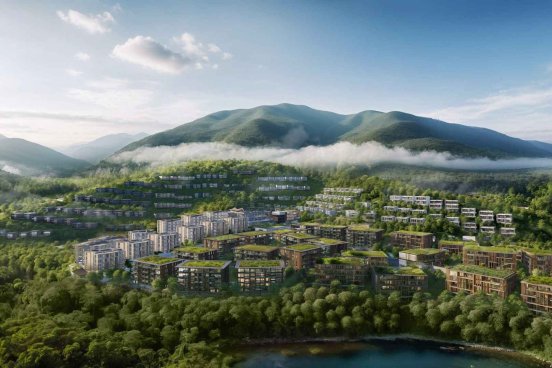
Buying property in Chiang Mai is the most affordable option among the major destinations: 40,000-60,000 baht per sqm, or two to three times cheaper than Phuket or Bangkok. Rental yield runs at 4-6%, driven mainly by long-term lets to local residents, expats and digital nomads rather than tourists — seasonality here is far less pronounced than on the resorts.
The city has no coastline, but it does have mountains, temples and one of the largest communities of digital nomads and remote workers in South-East Asia, built on a low cost of living and an established co-working and long-let infrastructure — current entry-level options can be seen in the apartments in Thailand section. For a buyer focused on a steady flow of tenants rather than a tourist season, that is a genuine advantage in its own right, not just a way to save money on entry.
Bringing all six locations together in one table, by who each one suits best:
| City | Best suited to |
|---|---|
| Phuket | Maximum rental yield and price growth |
| Bangkok | Liquidity, fast resale |
| Pattaya | The lowest entry budget among the resorts |
| Koh Samui | Villas and the premium beachfront segment |
| Hua Hin | A balance of sea and budget, quiet living |
| Chiang Mai | The lowest overall budget, long-term rental |
Cheapest places to buy property in Thailand
Comparing price per square metre shows a two- to three-fold gap between the most expensive and the most affordable destination on this list, and that gap has held remarkably steady for several years running:
| City | Price per sqm (condo) | Annual growth |
|---|---|---|
| Phuket | 135,000-144,000 baht | 3-4% |
| Bangkok (near transit) | 120,000-150,000 baht | Modest |
| Hua Hin | 86,700-100,000 baht | ~5% |
| Koh Samui | 88,500 baht (median) | ~6% |
| Pattaya | 70,000-110,000 baht | 3-5% |
| Chiang Mai | 40,000-60,000 baht | Steady |
The cheapest place to buy property in Thailand among the major destinations is clearly Chiang Mai; among the resorts, Pattaya and the inland parts of Koh Samui, such as Nathon, rather than beachfront plots. Whether is Phuket a good place to buy property on a tighter budget is a separate question: the island is the most expensive of those covered here, but it is also structurally the most resilient in terms of demand compared with cheaper alternatives.
The price gap between island and mainland destinations comes down mainly to the scarcity of land: Phuket and Koh Samui simply cannot expand their coastal development, whereas Bangkok and Chiang Mai can keep adding supply outward and upward with far fewer constraints on space. That is the main reason the islands are consistently pricier than mainland cities for a comparable property, not simply because they are popular with tourists.
Budget also depends on the stage of construction: off-plan units are typically 10-20% cheaper than a comparable completed property on the same market, but they call for closer scrutiny of the developer — this logic holds across all six destinations covered here, not just one particular city.
Rental yields and capital growth by location
Best rental yield Thailand property averages 4-6% gross across the country, but the spread between cities and between rental formats is significant:
| City | Long-term rental | Short-term rental |
|---|---|---|
| Phuket | 5-7% | 7-11% |
| Bangkok | 3.8-6.2% | Limited on most units |
| Pattaya | 5-8% | Above average in season |
| Hua Hin | 5-7% | Higher seasonally |
| Chiang Mai | 4-6% | Limited, mostly long-term demand |
Net yield, after management, vacancy and tax, typically runs 1.5-2.5 percentage points below the gross figure quoted in listings — a gap worth planning for from the start rather than discovering it only after the first full year of ownership has already gone by. Management fees on short-term rental typically run 8-12% of rental income, and vacancy between bookings takes a further 10-15% of potential annual income, even in high season.
Short-term nightly rental in tourist areas typically brings in 30-50% more gross income than long-term rental of the same unit, but once management costs, higher wear and vacancy are factored in, net yield on the two formats often ends up close to level. The choice between them comes down less to the maths of yield and more to whether the owner wants to manage the property directly or pay someone else to do it.
Capital appreciation Thailand property and rental yield do not always move together: Phuket leads on both at once, while Bangkok in 2025-2026 shows more modest price growth against a backdrop of oversupply, alongside relatively stable rents. Koh Samui and Hua Hin sit somewhere in between — price growth of 5-6% a year with yield a little above the national average, without extremes in either direction.
For an investor focused on capital growth over several years rather than current rental income, the destinations with the tightest limits on new land supply are worth looking at first — that generally means the islands rather than the mainland cities, where new construction continues with far fewer constraints.
Yield figures on paper do not include tax and fees, which reduce the final result and follow the same formula regardless of location: the taxes and fees to budget for in any location do not vary by city — the transfer fee, closing costs and annual tax are calculated under the same rules whether the property is on Phuket or in Chiang Mai, with only the appraised value of the property itself changing.
Phuket vs Bangkok property investment is the single most common comparison buyers make: Phuket wins on yield and historical price growth, Bangkok wins on liquidity and the sheer size of the resale market. As for the best place to invest in Thai real estate 2026, it depends on the time horizon: Bangkok is more liquid for a short hold, while Phuket and Hua Hin are more interesting for medium-term yield.
The most sought-after projects on Phuket and in Pattaya see their foreign quota fill up noticeably faster than the market average — a point worth keeping in mind at the location-choice stage rather than leaving the quota check until after a property is already liked and a deposit has been paid. In Bangkok and Chiang Mai, where more new projects are coming onto the market, this is a rarer problem.
Property listings by location in Thailand
Browse current listings across the country in the property in Thailand catalogue — filtering by city and property type makes it easy to narrow the search straight down to one of the locations covered above, without scrolling through the whole catalogue by hand.
Frequently Asked Questions
It depends on the goal: Phuket for yield and price growth, Bangkok for liquidity, Chiang Mai and Pattaya for the smallest entry budget.
Among the major destinations, Chiang Mai, at 40,000-60,000 baht per sqm. Among the resorts, Pattaya and the inland parts of Koh Samui.
Yes, if rental yield and steady demand are the priority: the island leads on both, even though the entry cost is higher than elsewhere.
More for liquidity and long-term stability than fast price growth — the city has shown signs of oversupply through 2025-2026.
On short lets, Phuket, up to 7-11% gross in high season. On long-term rental the gap between cities narrows to roughly 4-7%, and the specific district and property type matter more than the city as a whole.
Choosing a location shapes not just yield and lifestyle but the transaction itself at the next stage: how to buy once you have chosen a location — from due diligence through the reservation deposit to transfer of ownership at the Land Office — follows the same process regardless of city, though the list of local documents and agents will naturally differ.
Comments